Should You Tip for Takeout?

Should You Tip for Takeout?

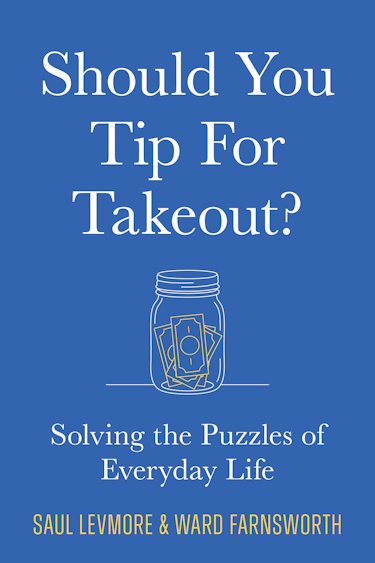
This book is about decisions in everyday life. Each chapter starts with a common puzzle, such as whether to tip for takeout, or how to cut a cake, or when to get a second opinion. It locates the puzzle alongside others in the same family, then applies various tools for thought to understand it better. That usually means applying some economics, thinking like a lawyer, and asking Socratic questions. We mean to show that such humble questions can be rewarding and fun to analyze.

The book can also be described the other way around. It’s about tools for thought. It explains collective-action problems, Bayesian updating, optimal-stopping theory, and other ideas that have many uses. Aids to rationality like those are most enjoyable, and easiest to learn about, when you meet them in familiar settings, so that’s where they’re shown in action. The result is a set of friendly introductions to techniques for critical thinking drawn from economics, law, and elsewhere.

Buy on Amazon

Comments

Energetic, vivid, and full of wisdom. You’ll learn a lot about rationality, and also about life. Don’t miss it! —Cass R. Sunstein, Robert Walmsley University Professor, Harvard University, and author of The Price of Happiness: Behavioral Economics and Willingness to Pay
Fresh, witty, and incisive. The authors draw the reader into a valuable conversation about incentives, signals, and social norms, unsettling complacency and provoking self-examination. Fun to read and provocative. —Martha C. Nussbaum, Law School and Philosophy Department, The University of Chicago, and author of Not For Profit: Why Democracy Needs the Humanities
Each of the 24 real-world puzzles are worthy of a Curb Your Enthusiasm episode, but the authors answer with more nuance and creativity. Levmore and Farnsworth provide a masterclass on inventive problem-solving. —Ian Ayres, Oscar M. Ruebhausen Professor, Yale Law School, and author of Super Crunchers: Why Thinking-By-Numbers Is the New Way to Be Smart

Other titles of possible interest
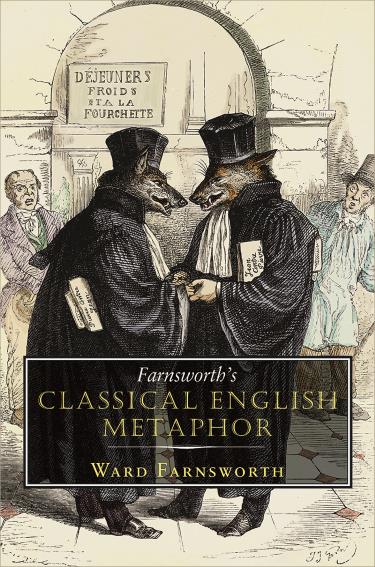
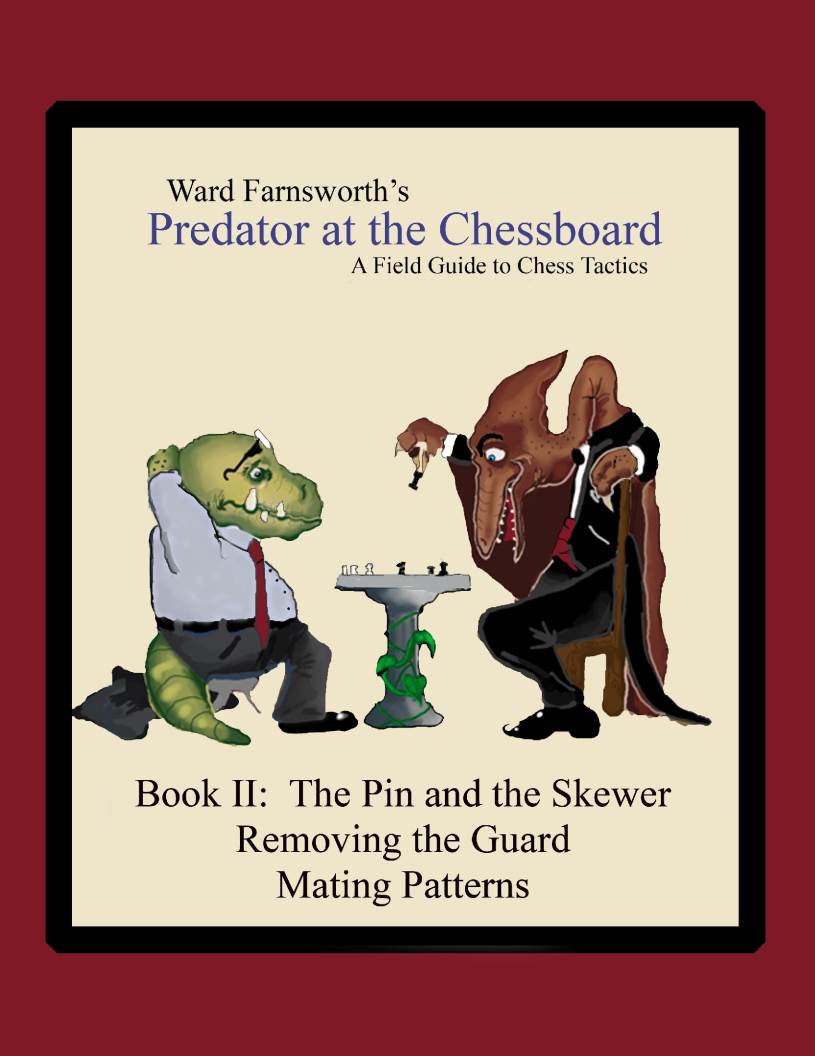
The Legal Analyst The Practicing Stoic The Socratic Method Classical English Rhetoric Classical English Style Classical English Metaphor Classical English Argument The Latin Tamer Predator at the Chessboard, Book I Predator at the Chessboard, Book II